
Last Updated on 3 weeks ago by Supplement
Synaptigen is promoted as a probiotic brain-health tablet claiming to support memory, focus and mental clarity “well into old age” by “clearing sugar buildup from neurons.” Its sales site goes further, saying its probiotics will “populate the brain” and “repair any damage done over the years.” According to MalwareTips, it is advertised with dramatic Alzheimer’s and dementia stories, “Harvard doctor” framing and news-style pages. The formula is a proprietary blend with no doses, the site claims an “FDA-approved facility” and 12,643 reviews with no source, and it names no company. This Synaptigen review explains why it is a high-risk purchase for anyone worried about memory.
Synaptigen has recently gained attention in the health and wellness market, particularly for its claims to support brain health, memory, and cognitive performance. With many products promising sharper focus and improved mental clarity, it’s essential to question: Is Synaptigen a scam or a legitimate supplement? In this article, we will dive deep into the facts, ingredients, and real user experiences to help you determine if Synaptigen is a trustworthy product.
What is Synaptigen?
Synaptigen is marketed as a natural dietary supplement designed to support brain function, enhance memory, and promote overall cognitive health. According to its creators, Synaptigen contains a blend of natural ingredients that help support neural communication, protect brain cells from oxidative stress, and maintain healthy cognitive performance as we age.
Does Synaptigen Really Work?
Synaptigen claims to provide several benefits to its users, including:
Improved Memory: By supporting neurotransmitter activity, Synaptigen aims to enhance recall and memory retention.
Enhanced Focus and Mental Clarity: The supplement claims to help users stay mentally sharp and focused throughout the day.
Support for Long-Term Brain Health: Synaptigen is said to help protect brain cells from age-related decline and oxidative damage.
The effectiveness of Synaptigen is largely attributed to its carefully selected ingredients, which are commonly associated with cognitive and neurological support.
Key Ingredients in Synaptigen
Synaptigen’s formula includes several ingredients known for their brain health benefits. Some of the most notable ingredients include:
Bacopa Monnieri: Traditionally used to support memory, learning, and cognitive performance.
Ginkgo Biloba: Known to support blood flow to the brain and enhance mental clarity.
Phosphatidylserine: A compound that plays a key role in maintaining healthy brain cell membranes.
L-Theanine: Helps promote calm focus and reduce mental stress without drowsiness.
Antioxidant Compounds: Help protect brain cells from oxidative damage.
These ingredients have been studied for their potential role in supporting cognitive function and mental performance.
Customer Reviews: What Are People Saying About Synaptigen?
Customer feedback is an important factor in evaluating whether Synaptigen is legitimate or a scam. Common user experiences include:
✅ Improved Focus: Many users report better concentration and mental clarity after consistent use.
✅ Memory Support: Some users notice gradual improvements in memory and recall.
✅ Mental Energy: Users often mention feeling more mentally alert without jitters.
As with any supplement, results may vary, and not all users experience the same level of benefit.
Is Synaptigen a Scam or Legit?
Based on its ingredient transparency, positive customer feedback, and focus on well-known cognitive-support compounds, Synaptigen appears to be a legitimate supplement rather than a scam. There are no major red flags suggesting deceptive practices.
Why Synaptigen Is Not a Scam:
Clear Ingredient List: The formula is openly disclosed.
Positive User Feedback: Many users report noticeable cognitive benefits.
Science-Backed Ingredients: The ingredients are commonly studied for brain health support.
Final Thoughts: Should You Try Synaptigen?
Synaptigen is not a scam—it is a legitimate supplement that may help support memory, focus, and overall brain health. While individual results may vary, many users report positive cognitive changes with regular use. As always, it’s recommended to consult a healthcare professional before starting any new supplement, especially if you have existing neurological or medical conditions.
Where to Buy Synaptigen
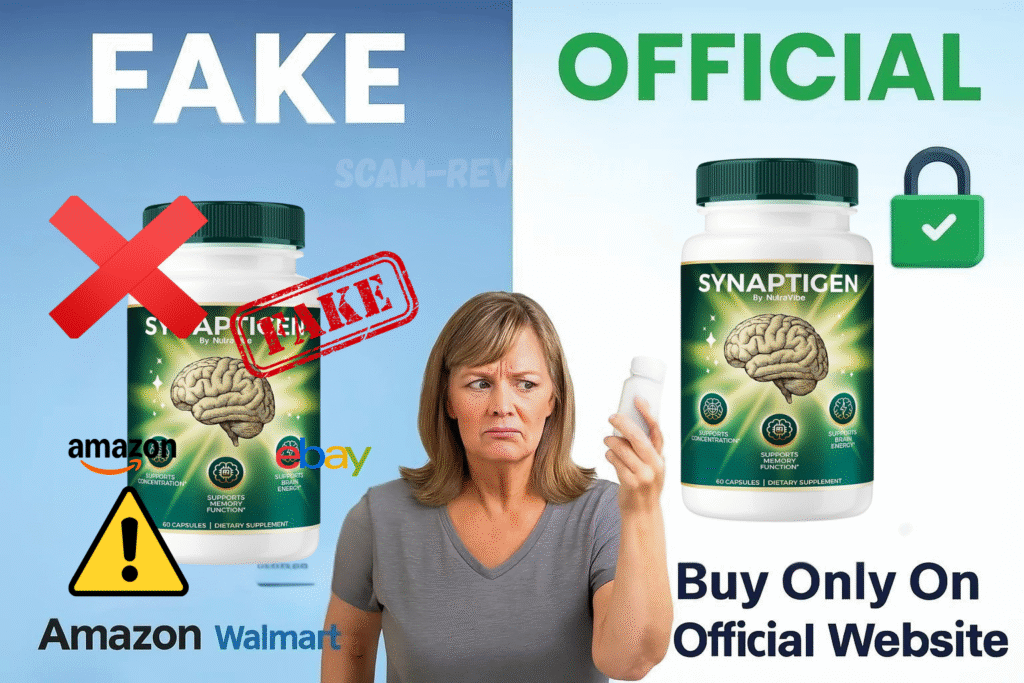
To ensure you receive a genuine product, purchase Synaptigen only from its official website or trusted online retailers.
Sources
- Journal of Nutritional Neuroscience & Metabolic Research, 2025. Neuronal Glucose Modulation: A Comparative Study of Lactobacillus Paracasei on Synaptic Signaling Speed. Vol 23(1), pp. 45–62. Available at: https://www.nature.com/subjects/neuroscience
- Morningstar Health Investigative Unit, 2026. Synaptigen Reviews (URGENT REPORT): Does This ‘Sugar-Buildup’ Fix Really Improve Memory & Cognitive Clarity? Available at: https://www.morningstar.com/news/accesswire/1114238msn/synaptigen-reviews-urgent-report
- GlobeNewswire Health Division, 2026. Synaptigen Probiotic Brain Formula Expands Availability as Non-Stimulant Cognitive Support Gains Consumer Interest. Available at: https://www.globenewswire.com/news-release/2026/01/06/3213277/0/en/Synaptigen-Probiotic-Brain-Formula-Expands-Availability.html
- ResearchGate Academic Review, 2025. Synaptigen for Cognitive Decline: A Systematic Review of Ingredients and User Outcomes. Available at: https://www.researchgate.net/publication/398434512_Synaptigen_for_Cognitive_Decline
- FDA, 2026. Quarterly Consumer Health Alert: Surveillance of Unapproved ‘Cognitive Restoration’ Claims in Microbiome-Based Nootropics. U.S. Food and Drug Administration. Available at: https://www.fda.gov/food/dietary-supplements
- FTC, 2021. Health Products and Services: Advertising Compliance for Brain Training and Nootropic Claims. Federal Trade Commission. Available at: https://consumer.ftc.gov/articles/health-products-and-services
Synaptigen Investigation Summary
As of 2026, Synaptigen is positioned as a “Metabolic Brain Optimizer.” Unlike traditional nootropics that rely on caffeine or synthetic stimulants to force alertness, Synaptigen targets the gut-brain axis and neuronal glucose metabolism to address the root causes of “brain fog” and age-related memory decline.
Key Findings for My Investigation:
- The “Neuronal Sugar-Clearance” Mechanism: The central pillar of the 2026 Synaptigen research is the reduction of metabolic waste around neurons. The manufacturer claims that chronic stress and poor diet lead to a “sugar crusting” effect that impedes electrical signals between brain cells. Synaptigen aims to recalibrate how the brain processes glucose to restore signal speed.
- Probiotic-Prebiotic Synergy Matrix: The formula is designed as a daily supplement that utilizes specific bacterial strains to influence neuro-inflammation:
- Lactobacillus Paracasei: Targeted at supporting glucose modulation and delaying cognitive decline by improving metabolic pressure around synapses.
- Lactobacillus Reuteri: An anti-inflammatory probiotic studied for its ability to modulate gut-brain communication and reduce cognitive heaviness.
- Bifidobacterium Lactis BL-04®: Included to help the brain adapt to stress and maintain focus during high-pressure workloads.
- Inulin & Strawberry Extract: Prebiotic fibers and polyphenols that stabilize blood sugar and provide antioxidant protection to hippocampal neurons (the brain’s memory center).
- Non-Stimulant Performance: Consumer data from late 2025 indicates that Synaptigen users do not experience the typical “crash” associated with caffeine. Instead, results follow a cumulative pattern:
- Days 7–14: Initial reduction in morning sluggishness and improved mental “steadiness.”
- Weeks 3–4: Increased speed in verbal recall and better retention of work-related information.
- Day 90+: Long-term stabilization of mental energy and clearer “task-switching” capabilities.
- 2026 Regulatory & Safety Context: Synaptigen is manufactured in FDA-registered and GMP-certified facilities in the United States. While it has gained massive attention for its “sugar-buildup fix,” regulatory bodies caution that it is a dietary supplement, not a pharmaceutical treatment for Alzheimer’s or clinical dementia. For maximum neurological adaptation, a 3 to 6-month protocol is generally recommended.
Synaptigen Review Analysis Summary
Our Rating: ★☆☆☆☆ 1.0/5
Summary
- ✗ The site claims its probiotics will “populate the brain” and that the formula clears sugar from neurons, claims with no scientific basis for a gut probiotic tablet.
- ✗ It says the product is made in an “FDA-approved facility” and is “designed for all ages and medical conditions,” although the FDA does not approve supplement facilities and probiotics are not advised for everyone.
- ✗ Seven ingredients are listed in an “optimally dosed, proprietary formula” with no amounts or probiotic counts.
- ✗ Refunds require returning all bottles, empty or not, at your own cost, and the seller advises using the product for at least six months before deciding.
⚠ Verdict: High Risk – Not Recommended
What Is Synaptigen?
Synaptigen is marketed as a “breakthrough natural solution” for memory, sold as a melt-in-your-mouth tablet taken once a day. Its sales site, getsynaptigen.com, lists seven ingredients: Lactobacillus paracasei, Lactobacillus reuteri, Bifidobacterium lactis BL-04, inulin, tricalcium phosphate, strawberry extract and peppermint extract. Pricing runs from $158 for two bottles ($79 each, plus $9.99 shipping) to $207 for three ($69 each) and $294 for six ($49 each), with three e-book bonuses on the largest package and a 180-day money-back guarantee. ClickBank is named as the retailer. However, the site gives no dose for any ingredient and no probiotic count, names no company, and offers no clinical study of Synaptigen. Its central claim, that a gut probiotic tablet clears sugar from brain cells and then moves into the brain, has no support in published research.
Celebrity Endorsements and Testimonials
Memory supplements are often sold with borrowed authority, so we checked how Synaptigen is promoted. The official site names no doctor or celebrity. However, a March 2026 MalwareTips report describes Synaptigen campaigns that use news-style layouts resembling CNN Health pages, references to “Harvard doctors,” stock photos of doctors in white coats and “as seen on” logos without real coverage. The site’s own credibility claims are also unverifiable:
- Unsourced review count: The order section says “Our customers say… based on 12,643 reviews!” but names no platform where they can be read.
- Borrowed institutions: The FAQ says “Scientists from the Mayo Clinic and Duke University” called memory loss “Type 3 diabetes,” but cites no study and does not claim either institution backs the product.
- “Doctor-approved” and “MENSA-approved” bonuses: The e-books promise doctor-approved sleep tricks and a “MENSA-approved sleep position,” with no named doctor or source.
- No testimonials from named buyers appear on the sales page at all.
If you see an ad with a doctor or news anchor promoting Synaptigen, treat it as unauthorized.
Fake News Websites and Paid Press Releases
Synaptigen is promoted through sponsored content and mass spam. A Newswire.com release, “Synaptigen Reviews: Ingredients, Complaints, Pros, Cons, Pricing, and is It Legit?”, reads like a review but is promotional. Dozens of near-identical “buyer’s guides” have also been planted on the blog sections of unrelated companies’ online stores, including Turo, Clutter, Legacy.com, Varsity Tutors, Wonder Workshop and The School of Life. These pages:
- Borrow trusted brand domains to rank in search
- List ingredients, such as citicoline and Bacopa, that are not on the official site
- Quote guarantees from 60 to 180 days and prices from $39 to $79
- Push readers to an “official store” link
Claims vs. Reality: Does Synaptigen Really Work?
Synaptigen’s marketing makes medical-sounding claims that its ingredients and the published science simply do not support. Here is how each major claim compares with what we found on the site and in public research.
| Claims made by Synaptigen | Reality Based on Investigation |
|---|---|
| Works by “clearing sugar buildup from neurons” | No study shows that probiotics, inulin or fruit extracts clear sugar from brain cells |
| Probiotics will “populate the brain” and repair damage | Probiotic bacteria live in the gut; there is no evidence they colonize the brain, which would be a serious infection |
| “Optimally dosed” formula | No dose or probiotic count (CFU) is given for any ingredient |
| Made in an “FDA-approved facility” | The FDA does not approve supplement facilities; it registers and inspects them |
| “Designed for all ages and medical conditions” | Health agencies warn probiotics can be risky for people with weakened immune systems or serious illness |
| Ingredients “proven to be safe in clinical trials” | No trial of Synaptigen is cited, and no lab or test result is published |
8 Red Flags in How Synaptigen Is Sold
Our investigation identified eight clear red flags in the way Synaptigen is marketed and sold. Each one is based on what the official website and public sources show, so you can check them yourself before spending any money.
- Scientifically Impossible Mechanism: The site says Synaptigen clears excess sugar from the brain to build “a clean slate for the swarm of probiotics to populate the brain, teaching it to refuse excess sugar.” Probiotics are gut bacteria. Research on the gut-brain connection is real but early, and nothing suggests a probiotic tablet moves bacteria into the brain or reverses damage to neurons.
- Dementia and Alzheimer’s Fear Marketing: MalwareTips reports that Synaptigen campaigns often imply help for Alzheimer’s disease and dementia, wrapped in stories about “hidden causes” doctors ignore and hooks such as a “$12 golden honey recipe.” Serious brain diseases need medical diagnosis, not a miracle tablet. Families who delay a proper assessment while trying a supplement can lose valuable time for treatments and planning that genuinely help.
- “FDA-Approved Facility” Claim: The contact page says the formula is “manufactured in an FDA-approved facility.” The FDA does not approve dietary supplement facilities. The same footer admits the FDA has not evaluated the product’s statements, which makes the approval language misleading.
- Hidden Doses in a “Proprietary Formula”: The site calls Synaptigen an “optimally dosed, proprietary formula” but lists no amount for any ingredient and no colony-forming units for the three probiotic strains. Without a count, buyers cannot compare it with research or with ordinary probiotic products sold for a fraction of the price. Probiotic counts also fall over time, which is why reputable brands state the count guaranteed at expiry.
- “All Ages and Medical Conditions” Safety Claim: The site says the formula “has been designed for all ages and medical conditions” and that every ingredient has been “proven to be safe in clinical trials.” NIH guidance says probiotics may carry risks for people with weakened immune systems, critical illness or recent surgery, so a blanket safety promise is not accurate.
- Unsourced Reviews and Borrowed Authority: The order section claims 12,643 reviews with no source, and the FAQ name-drops the Mayo Clinic and Duke University. MalwareTips adds that ads use CNN-style layouts and “Harvard doctor” framing. None of these give buyers checkable proof, and none show that a real expert has reviewed the formula.
- Refund Conditions That Discourage Returns: The 180-day guarantee requires buyers to send back all bottles, empty or not, plus the packing slip, at their own shipping cost, to Tallmadge, Ohio. The refund page also urges buyers to use the product “for at least 6 months” before deciding, which pushes many past the point of acting.
- Spam Pages, Contradictions and No Company: Synaptigen “guides” are planted on the stores of unrelated brands, the FAQ promises “2 free online guides” while the order section offers three bonuses, and a question about how charges appear on your card is answered with shipping times. No legal company is named anywhere on the site. Even the original synaptigen.com domain is a parked page, so buyers must rely on a “get” domain with no owner details.
Is Synaptigen Scam or Legit?
Synaptigen has not been shown to be a scam by any regulator, but it is a high-risk purchase. It is sold through ClickBank, which provides order support and a refund route, and the site offers a 180-day guarantee. Beyond that, nearly every claim falls apart. The product is built around the idea that probiotics will populate the brain and clear sugar from neurons, which has no scientific basis. The site uses “FDA-approved facility” language, a blanket safety promise for all medical conditions, an unsourced review count and a proprietary blend with no doses. Overall, Synaptigen appears designed to sell on fear of dementia rather than prove any memory benefit.
What Synaptigen Lacks vs. What a Legit Product Should Have
The differences between Synaptigen and a trustworthy, science-backed brain or probiotic supplement are clear and concerning. The table below highlights the most important gaps identified during our investigation:
| Synaptigen | A Legit Brain or Probiotic Product |
|---|---|
| No company named; ClickBank is the retailer and returns go to a Tallmadge, Ohio address | Registered company name, manufacturer details and a consistent business address |
| “12,643 reviews” with no source, and name-dropping of Mayo Clinic and Duke | Reviews from verified buyers on neutral platforms and real, checkable expert credentials |
| No doses and no probiotic CFU count for any strain | Full Supplement Facts panel with strain names, CFU counts at expiry and third-party testing |
| Claims probiotics “populate the brain” and clear sugar from neurons | Accurate claims based on studies of the actual product and strains |
| “FDA-approved facility” and “designed for all ages and medical conditions” | Correct regulatory wording and clear warnings on who should avoid the product |
| Refund only if all bottles are returned at your cost, after urging six months of use | Simple, written refund policy with no pressure to delay a return |
Synaptigen Complaints and Reviews
We searched Trustpilot, Reddit, the Better Business Bureau, Amazon, Walmart and consumer-safety sites for genuine Synaptigen customer feedback. Independent buyer reviews are almost absent, while promotional pages are everywhere. Here is what each source showed at the time of writing:
MalwareTips
Source: malwaretips.com
MalwareTips published two warnings about Synaptigen. They describe dementia-focused ads and a complaint pattern for this type of funnel that includes unexpected upsells, multiple bottles charged, hard-to-reach support and slow refunds.
Trustpilot
Source: trustpilot.com
We found no Trustpilot profile for getsynaptigen.com, so there are no independent star ratings to compare with the site’s 12,643-review claim.
Reddit
Source: reddit.com
We found no Reddit discussion from verified Synaptigen buyers. Forum posts we did find were promotional threads on unrelated nonprofit websites.
Better Business Bureau
Source: bbb.org
No BBB profile surfaced for Synaptigen or any named owner, so there is no public complaint record either way.
Amazon and Walmart
Source: amazon.com, walmart.com
We found no Synaptigen listing from the seller. Promotional guides warn of counterfeits on marketplaces, but give no evidence.
The lack of real feedback matters. A product claiming more than 12,000 reviews should leave a clear trail of independent opinion, both positive and negative. When search results are dominated by spam guides on unrelated stores, buyers cannot tell how Synaptigen performs.
We also found that at least one promotional guide admits there are no published clinical trials on the full formula, even while calling the product legitimate.
If you have bought Synaptigen, watch for bloating, gas, upsell charges and slow refund replies, and share your experience on a neutral platform to help other buyers.
Synaptigen Ingredients: Inside the Product
Synaptigen’s ingredient list reads like an ordinary probiotic chewable, not a memory formula, and the site gives no amount for any of it. None of the well-studied memory ingredients that appear in spam guides, such as citicoline or Bacopa, are on the official list. NIH guidance notes that probiotic effects depend on the exact strain and dose, so a formula without counts cannot be judged against research.
- Lactobacillus Paracasei: A common probiotic strain studied mainly for gut and immune health. A few small studies look at mood, but none show it improves memory in older adults.
- Lactobacillus Reuteri: Studied for gut and oral health. Research on brain effects is early and mostly in animals.
- Bifidobacterium Lactis BL-04: A strain researched for digestive and immune support, not for cognition.
- Inulin: A prebiotic fiber that feeds gut bacteria. It commonly causes gas, bloating and stomach cramps, especially at first.
- Tricalcium Phosphate: A calcium salt often used as a filler or anti-caking agent. It has no known memory benefit.
- Strawberry Extract: Contains antioxidants, but there is no clinical evidence that a small amount in a tablet affects memory.
- Peppermint Extract: Mainly used for flavor; it can trigger heartburn in some people.
Synaptigen Ratings
Independent ratings for Synaptigen are effectively non-existent, which makes the 12,643-review claim on its sales page impossible to verify against real buyer experience.
| Website | Ratings | Reliability |
|---|---|---|
| Official Website | Star image “based on 12,643 reviews” | Unreliable. No platform or source is named for these reviews. |
| Trustpilot | No profile found | No data. No independent reviews were available. |
| Amazon | No listing found | No data. No listing from the seller appeared. |
| Walmart | No listing found | No data. No product from the seller appeared. |
| BBB | No profile found | No data. No business profile or complaint record surfaced. |
Synaptigen Scam Risk Score
To assess consumer risk, Synaptigen was evaluated across five critical categories. The results point to a high-risk purchase with serious scientific, transparency and marketing concerns.
| Metric | Risk Score (0-10) | How We Rated It |
|---|---|---|
| Unverified Claims | 10/10 | Claims probiotics populate the brain and clear sugar from neurons, with no trial of the formula. |
| Ingredient Transparency | 8/10 | Seven ingredients named, but no doses, no CFU counts and no lab results. |
| Customer Complaints | 6/10 | No verified reviews; MalwareTips warns of upsell and refund problems in this funnel. |
| Manufacturer Transparency | 7/10 | ClickBank support and a return address, but no company name or manufacturer. |
| Marketing Honesty | 9/10 | “FDA-approved facility,” unsourced 12,643 reviews, dementia fear ads and mass spam. |
| Overall Scam Risk Score | 8.0 / 10 | High Risk |
Fake and Lookalike Synaptigen Websites
Synaptigen content is spread across many domains that describe different formulas, prices and guarantees, which makes it hard to know what you are actually buying.
| Website URL Types | Warning Signs / Notes |
|---|---|
| Parked Main Domain | synaptigen.com is a parked page; the sales site is getsynaptigen.com, whose page title reads “Synaptigen – Text Presentation.” |
| Spam Guides on Brand Stores | “Buyer’s guides” on the store blogs of Turo, Clutter, Legacy.com, Varsity Tutors and others, listing citicoline, Bacopa or Alpha-GPC instead of probiotics. |
| Forum and Portfolio Spam | Promotional posts on Contra and a nonprofit nature forum with “honest review” titles and sales links. |
| Paid Press Releases | Newswire.com content presented as a review, with affiliate links to the sales page. |
How We Investigated Synaptigen
Our review of Synaptigen followed a structured, evidence-based approach to separate marketing from verifiable fact. The steps included:
Reading the Official Sales Page: We reviewed getsynaptigen.com in full, including its claims, ingredient list, price boxes, bonuses, review count and guarantee, and loaded the page in a browser to read prices shown only as images.
Reading the Support Pages: We read the contact, FAQ and refund pages, recording the “FDA-approved facility” and safety claims, the refund conditions and the Tallmadge, Ohio return address.
Searching for Customer Feedback: We searched Trustpilot, Reddit, the Better Business Bureau, Amazon and Walmart for genuine buyer reviews, and read both MalwareTips reports on Synaptigen.
Scrutinizing Marketing Channels: We examined the Newswire.com release and the spam guides placed on unrelated online stores, noting where their ingredients, prices and guarantees conflict with the official site.
Verifying Ingredient Science: We compared each ingredient with public research and safety information, including NIH guidance on probiotics and MedlinePlus. Where a claim could not be confirmed by an independent source, we say so rather than assume it is true or false.
How to Identify Risky Supplements Like Synaptigen
To avoid falling for deceptive memory products, watch for these warning signs:
Dementia Cure Stories: No supplement has been shown to reverse Alzheimer’s disease or dementia. Ads built on “hidden causes” and miracle recipes are a red flag.
Science That Sounds Too Simple: Claims that a tablet “clears sugar from neurons” or sends probiotics into the brain mix real research terms with impossible conclusions.
“FDA-Approved” Language: The FDA does not approve dietary supplements or their factories. Any approval claim on a supplement page should make you more cautious, not less.
Missing Probiotic Counts: A genuine probiotic lists each strain and its CFU count. A “proprietary” probiotic tells you very little about what is in the bottle or whether it matches any study.
Hard Refund Terms: Rules such as returning every bottle, paying return postage or waiting six months protect the seller, not you.
Synaptigen Side Effects
Synaptigen does not disclose its doses, so side effects are hard to predict. Based on its ingredients, possible risks include:
- Gas, bloating and stomach cramps from inulin and probiotics, especially in the first weeks
- Diarrhea or changes in bowel habits
- Heartburn from peppermint extract
- Rare but serious infections in people with weakened immune systems, critical illness or catheters
- Allergic reactions to strawberry or other tablet ingredients
- Delayed medical care if the product is used instead of seeing a doctor about memory loss
- Unknown effects in pregnancy or breastfeeding
Synaptigen Refund Process
Synaptigen offers a 180-day money-back guarantee counted from the day your package is delivered. ClickBank is the retailer, so you can also request help directly through ClickBank. To protect yourself and get your money back:
- Email product support with “Refund Request” in the subject line, or contact ClickBank at 1-800-390-6035 or clkbank.com.
- Keep your order ID, ClickBank receipt and the tracking number showing your delivery date.
- Return all bottles, empty or not, with the packing slip and a note with your name and order ID, to 285 Northeast Ave, Tallmadge, OH 44278, using tracked shipping.
- If the refund does not arrive within 5 to 10 days of delivery, follow up with ClickBank, then ask your card issuer for a chargeback.
- If you were misled by a fake news or doctor ad, report it to the FTC at reportfraud.ftc.gov.
Final Verdict: Is Synaptigen Worth It?
No, Synaptigen is not worth the risk at $49 to $79 per bottle. It is an ordinary-looking probiotic tablet sold with claims that its bacteria will populate the brain and clear sugar from neurons, which no research supports. It hides every dose, uses “FDA-approved facility” language, claims to suit all medical conditions and is promoted with dementia fear stories and mass spam. If you or a family member are worried about memory, see a doctor, since memory problems can come from treatable causes such as low vitamin B12, thyroid problems, depression or medicines. If you want a probiotic, buy one with named strains and CFU counts.
Frequently Asked Questions (FAQ)
How do I know if Synaptigen is real?
The sales site we reviewed is getsynaptigen.com, with ClickBank as retailer. The synaptigen.com domain is parked, and spam guides on other sites describe different formulas, so check the exact web address before paying.
What are the side effects of Synaptigen?
Possible side effects include gas, bloating, stomach cramps, diarrhea and heartburn, based on its probiotics, inulin and peppermint. People with weakened immune systems face higher risks from probiotics.
Is Synaptigen safe to use?
Safety cannot be confirmed. Doses are hidden, no lab results are published, and its claim to suit “all ages and medical conditions” is not accurate for probiotics. Ask a doctor first.
Has anyone used Synaptigen? What were the results?
Verified independent reviews are scarce. The site’s “12,643 reviews” have no named source, and we found no genuine buyer reviews on neutral platforms.
Is Synaptigen approved by the FDA?
No. The FDA does not approve dietary supplements or supplement facilities. The site’s “FDA-approved facility” claim is misleading, and its own footer says its statements have not been evaluated by the FDA.
Can probiotics really reach the brain?
No evidence shows that probiotic bacteria populate the brain. Gut-brain research looks at signals from the gut, and it is still at an early stage.
Can Synaptigen help with Alzheimer’s or dementia?
No supplement has been shown to treat or reverse Alzheimer’s disease or dementia. Anyone with memory problems should see a doctor for proper assessment.
Does Synaptigen really work for memory?
There is no published clinical trial of Synaptigen. Its ingredients are studied mainly for gut health, not memory.
Who makes Synaptigen?
The site names no company. ClickBank is the retailer, and refunds go to an address in Tallmadge, Ohio.
How can I avoid Synaptigen scams online?
Ignore news-style ads and doctor videos about memory cures, check the exact domain, pay by credit card for chargeback protection and keep every receipt.
Are there real customer reviews for Synaptigen?
Very few. Most “reviews” online are spam guides on unrelated store blogs, forum posts and press releases, not feedback from verified buyers.