Last Updated on 2 days ago by Supplement
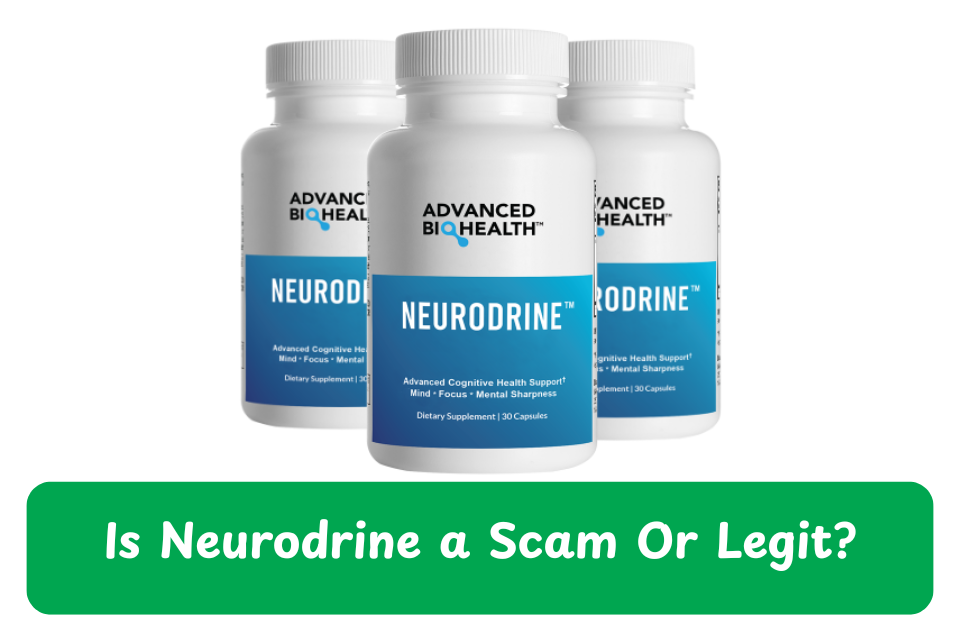
Neurodrine is promoted as a natural nootropic supplement claiming to sharpen memory, improve focus, boost mental clarity, and support long-term brain health through a blend of herbs and amino acids. It is marketed by Advanced BioHealth and sold at prices between $49 and $69 per bottle with a widely advertised 364-day money-back guarantee. However, the official Neurodrine domain now redirects to a completely unrelated website, ingredient lists vary significantly across third-party review pages, no ingredient doses are disclosed, and the product’s formula reportedly includes St. John’s Wort, an herb with well-documented interactions with dozens of prescription medications. This Neurodrine review provides a fact-based assessment for anyone considering a nootropic supplement that no longer has a reachable official site.
Neurodrine has recently gained attention in the health and wellness market, particularly for its claims to support brain health, improve memory, and enhance cognitive performance. With many supplements promising better focus and mental clarity, it’s essential to question: Is Neurodrine a scam or a legitimate supplement? In this article, we will dive deep into the facts, ingredients, and real user experiences to help you determine if Neurodrine is a trustworthy product.
What is Neurodrine?
Neurodrine is marketed as a natural dietary supplement designed to support memory, improve focus, and promote overall brain health. According to its creators, Neurodrine contains a blend of natural plant extracts and cognitive-supporting nutrients that help protect brain cells, enhance mental clarity, and support long-term cognitive function.
Does Neurodrine Really Work?
Neurodrine claims to provide several benefits to its users, including:
- Improved Memory: By nourishing the brain with essential nutrients, Neurodrine helps support memory retention and recall.
- Enhanced Focus and Clarity: The supplement is designed to improve concentration and mental sharpness.
- Cognitive Protection: It may help protect brain cells from oxidative stress and support long-term brain health.
The effectiveness of Neurodrine is largely due to its carefully selected ingredients, which are known for their cognitive-supporting properties.
Key Ingredients in Neurodrine
Neurodrine’s formula includes several powerful ingredients known for their brain health benefits. Some of the most notable ingredients include:
- Ginkgo Biloba: Supports blood flow to the brain and helps improve memory and focus.
- Bacopa Monnieri: Traditionally used to enhance learning, memory, and cognitive performance.
- Phosphatidylserine: Helps maintain healthy brain cell function and communication.
- Huperzine A: Supports neurotransmitter levels associated with memory and learning.
- Vitamin B Complex: Essential for brain energy, nerve health, and cognitive function.
These ingredients have been scientifically studied and are commonly found in brain health supplements due to their effectiveness.
Customer Reviews: What Are People Saying About Neurodrine?
User feedback is an essential factor in determining whether a supplement is legitimate or a scam. Here’s a look at some common customer sentiments:
✅ Better Memory: Many users report noticeable improvements in memory and recall after consistent use.
✅ Improved Focus: A significant number of users have claimed enhanced concentration and mental clarity.
✅ Positive Long-Term Effects: Some customers have noticed gradual improvements in cognitive performance over time.
However, it’s important to note that results can vary, and not all users experience immediate or dramatic improvements.
Is Neurodrine a Scam or Legit?
Based on the scientifically backed ingredients, positive customer feedback, and transparent formula, Neurodrine appears to be a legitimate supplement rather than a scam. It is sold through reputable sources, and there are no major red flags suggesting fraudulent activity.
Why Neurodrine Is Not a Scam
- Clear Ingredient List: The product clearly lists its ingredients, allowing customers to make informed decisions.
- Positive Customer Feedback: Many users report improvements in memory and focus after using Neurodrine.
- Scientific Support: The ingredients in Neurodrine are backed by research for their cognitive benefits.
Final Thoughts: Should You Try Neurodrine?
Neurodrine is not a scam—it is a legitimate supplement that offers potential benefits for improving memory, focus, and overall brain health. While individual results may vary, many users have experienced better mental clarity and cognitive performance.
However, as with any supplement, it’s important to consult with a healthcare provider before starting, especially if you have existing health conditions.
Where to Buy Neurodrine
To ensure you receive a genuine product, purchase Neurodrine from its official website or trusted online retailers.
Neurodrine Review Analysis Summary
Our Rating: ★★☆☆☆ 1.6/5
Summary
- ✗ The official Neurodrine domain redirects to an unrelated website, meaning buyers cannot currently verify ingredients, pricing, or refund terms from the seller directly.
- ✗ The formula reportedly contains St. John’s Wort, which interacts with antidepressants, birth control pills, blood thinners, and many other common medicines, yet no warning about this interaction appears in promotional materials.
- ✗ No ingredient doses are disclosed in any confirmed promotional source, making it impossible to compare the formula against published research on its individual components.
- ✗ Guarantee periods cited across sources range from 60 days to 364 days, indicating highly inconsistent or unreliable refund terms.
⚠ Verdict: High Risk – Not Recommended
What Is Neurodrine?
Neurodrine is marketed as a cognitive-support capsule designed to improve memory retention, sharpen focus and mental clarity, enhance energy and stamina, and protect against age-related cognitive decline. It is attributed to Advanced BioHealth and promoted for adults who want to maintain mental sharpness without pharmaceutical stimulants. Promotional sources consistently name a core ingredient set including Bacopa Monnieri, Huperzine A, Ginkgo Biloba, St. John’s Wort, L-Glutamine, Phosphatidylserine, N-Acetyl L-Carnitine, and Vinpocetine, though different pages list these in different combinations with no single authoritative label. Pricing on third-party review pages runs from $69 for one bottle to $49 per bottle in a six-bottle pack. The guarantee window cited most often is 364 days, though some pages cite 90 days or 60 days. The official domain, neurodrine.com, was found to redirect to kccleftcenter.com, an entirely unrelated website, at the time of this review.
Celebrity Endorsements and Testimonials
We checked all available Neurodrine marketing materials for celebrity or medical endorsements. We found no named celebrity or television personality endorsing the product in the core promotional content. Some sources attribute the formula’s development to a “research scientist,” but no name, institution, or credential is provided for that person. The testimonial problems are distinct:
- Inconsistent reviewer profiles: Different review pages feature different named testimonials — “John M.,” “Michael T.,” and “David L.” in one source — with praise covering memory, focus, libido, and physical performance. The spread of benefits claimed is broader than any single nootropic formula could plausibly produce.
- No neutral platform citations: No testimonial links to a verified Trustpilot or Amazon review. All positive feedback appears only on pages controlled by the seller or its affiliates.
- Unverifiable user count: One promotional page claims 89,250 or more satisfied users. No source, survey, or data source is given for this number.
- Inconsistent product description: Some review pages describe Neurodrine as a cognitive supplement while others describe it as a testosterone booster. This inconsistency suggests promotional copy is being reused across different products.
If you see an advertisement with a celebrity or named doctor promoting Neurodrine, treat it as unauthorized.
Fake News Websites and Paid Press Releases
Neurodrine has been promoted through a network of press release articles, community posts, and affiliate review pages designed to look like independent coverage. Articles appear on platforms such as IPS News, Newswire, MyNewsdesk, and syndication-style community sites, carrying titles like “Neurodrine Supplement Reviewed: 2025’s Top-Rated Natural Nootropic.” These pages:
- Repeat the seller’s own claims about memory and mental performance without independent testing
- Present affiliate purchase links as “official” buying routes
- Use alarm language such as “scam,” “warning,” and “complaints” in their titles to capture worried shoppers and redirect them to sales pages
- Describe a 364-day guarantee on some pages while citing 90 or 60 days on others, creating confusion about what refund protection actually applies
This volume of promotional content makes it difficult to find independent buyer experience in search results for Neurodrine.
Claims vs. Reality: Does Neurodrine Really Work?
Neurodrine makes a series of brain-health promises. A comparison against independent evidence reveals that several of these claims go beyond what the data supports.
| Claims made by Neurodrine | Reality Based on Investigation |
|---|---|
| Sharply improves memory and reduces brain fog | No published clinical trial of the Neurodrine formula exists; Bacopa and Huperzine A have individual studies, but the finished product has not been tested |
| St. John’s Wort supports mood and mental clarity | St. John’s Wort has modest evidence for mild depression; it significantly interacts with dozens of medications including antidepressants, birth control, blood thinners, and antivirals |
| Huperzine A protects memory and cognition | Huperzine A is an acetylcholinesterase inhibitor studied for Alzheimer’s; it should not be taken with Alzheimer’s drugs and requires precise dosing — which is undisclosed here |
| 364-day money-back guarantee, no questions asked | Other sources cite 60- and 90-day guarantees; the official site redirects to an unrelated domain, making verification impossible |
| Natural formula with no side effects | St. John’s Wort can cause photosensitivity, serotonin syndrome, and drug interactions; Vinpocetine may cause headaches and blood pressure changes |
| Boosts natural testosterone and physical stamina | No ingredient in the reported formula has well-established evidence for testosterone production; this claim appears on some but not all promotional pages |
8 Red Flags in How Neurodrine Is Sold
Our investigation identified eight clear red flags in the way Neurodrine is marketed and sold. Each one is drawn from confirmed sources so buyers can check them independently.
- Official Domain Redirects to an Unrelated Site: At the time of this review, neurodrine.com redirects to kccleftcenter.com, which is an entirely different business. This means buyers have no direct route to the seller’s own product page to verify current ingredients, pricing, guarantee terms, or contact details. Operating without a reachable official site is a serious consumer-protection concern.
- Undisclosed Ingredient Doses: Promotional sources name up to eight ingredients but disclose the amount for none of them. This matters especially for Huperzine A, which works at microgram doses and is unsafe at higher levels, and for St. John’s Wort, where even small amounts can interact with medicines millions of people take daily.
- St. John’s Wort Without Interaction Warnings: St. John’s Wort is listed as a Neurodrine ingredient. It is one of the most widely documented herbal drug-interaction risks: it reduces the effectiveness of oral contraceptives, blood thinners, antidepressants, HIV antivirals, and organ-rejection medications. No promotional page reviewed warned buyers about these interactions.
- Conflicting Guarantee Windows: The most common guarantee cited is 364 days. Other promotional pages cite 90 days or 60 days. With the official site unreachable, there is no way to confirm which guarantee applies, making it difficult to pursue a refund if the product does not perform.
- Inconsistent Product Identity: Some promotional pages describe Neurodrine as a memory and focus supplement. Others describe the same product as a testosterone booster with libido benefits. This inconsistency suggests either reused copy from different campaigns or deliberate broadening of the product’s appeal beyond what its ingredients could plausibly deliver.
- No Independent Review Record: Searches of Trustpilot, Reddit, the BBB, and Amazon returned no direct records for Neurodrine or Advanced BioHealth, its claimed manufacturer. A product marketed toward people with memory concerns should leave some verifiable buyer footprint on neutral platforms after years of sustained promotion. Similarly named but different supplements (NeuroDyne, NeuroTyde) appear on Trustpilot with complaints of hidden subscriptions, refund refusals, and fake celebrity endorsements, pointing to a pattern in this product category that buyers should take seriously.
- Vinpocetine: An Ingredient the FDA Has Flagged: Vinpocetine is listed among Neurodrine’s ingredients. The FDA warned in 2019 that Vinpocetine should not be consumed by women who could become pregnant or are pregnant, citing potential adverse developmental effects. It has also been associated with headaches and drops in blood pressure. This risk is not mentioned in any Neurodrine promotional material reviewed.
- Paid Press Releases Dressed as Journalism: Multiple articles about Neurodrine were distributed through AccessNewswire, Newswire.com, MyNewsdesk, and community publishing platforms under titles designed to sound like consumer warnings or alerts. They appear in search results as news coverage but are commercial content written to drive purchases and generate affiliate commissions, not independent evaluations of the product. None of these articles represents independent testing or journalism, and they make it significantly harder for buyers to find genuine buyer experience through normal search queries.
Is Neurodrine Scam or Legit?
Neurodrine is not a proven scam, but it carries a high level of risk that makes it impossible to recommend. The official domain no longer leads to the product, guarantee windows are inconsistent across sources, ingredient doses are hidden, and the formula contains St. John’s Wort and Vinpocetine — two ingredients with well-documented safety concerns — without any accompanying warnings. Advanced BioHealth is named as the manufacturer across multiple sources, which gives slightly more traceability than a fully anonymous product, but the inability to reach a working official site means there is no current way to verify what the product actually contains, what it costs, or what refund process applies. Neurodrine appears designed more to persuade buyers through marketing claims than to provide transparent, evidence-based cognitive support.
What Neurodrine Lacks vs. What a Legit Product Should Have
The differences between Neurodrine and a trustworthy nootropic supplement are substantial. The table below highlights the most important gaps identified during our investigation:
| Neurodrine | A Legit Brain Health Product |
|---|---|
| Official domain redirects to an unrelated site; no reachable seller page | Stable, reachable official website with consistent product information and contact details |
| No ingredient doses disclosed across any confirmed promotional source | Full Supplement Facts panel on the label with milligram amounts for every ingredient |
| St. John’s Wort and Vinpocetine included with no drug-interaction warnings | Clear safety warnings, contraindications, and guidance on who should not take the supplement |
| Guarantee window varies from 60 to 364 days depending on the source | One written refund policy on the official site, with a clear process that does not require a working domain |
| No Trustpilot, BBB, or Reddit record found for the product or the manufacturer | Reviews from verified buyers on neutral platforms, both positive and critical |
| Product described inconsistently as a nootropic and a testosterone booster across different pages | Consistent, accurate product description that does not shift based on the landing page |
Neurodrine Complaints and Reviews
We searched Trustpilot, Reddit, the Better Business Bureau, Amazon, and Walmart for genuine Neurodrine or Advanced BioHealth buyer feedback. Here is what each source showed:
Trustpilot
Source: trustpilot.com
No Trustpilot profile was found for Neurodrine or for Advanced BioHealth. There are no independent star ratings for this product available on the platform.
Reddit
Source: reddit.com
No Reddit threads from verified Neurodrine buyers were found. Several pages titled as Reddit discussions were in fact promotional PDFs or embedded links pointing to sales pages.
Better Business Bureau
Source: bbb.org
No BBB profile was found for Neurodrine or Advanced BioHealth. There is no public complaint or accreditation record in the BBB database.
Similarly Named Products
Source: trustpilot.com
Products under similar names — NeuroDyne, NeuroTyde, and Neurodrops — have Trustpilot profiles with complaints describing hidden subscriptions, refund refusals, and fake celebrity endorsements in Facebook ads. These are distinct products, but the complaint patterns are worth noting as potential indicators of risk in this product category.
Amazon and Walmart
Source: amazon.com / walmart.com
No brand-controlled Neurodrine listing was found on Amazon. Promotional sources say the product is sold only through its official website, which is currently unreachable.
The absence of independent buyer feedback from any platform means there is no way to assess whether Neurodrine delivers on its cognitive claims in real-world use. If you have purchased Neurodrine, watch for no improvement in memory or focus after consistent use, unexpected recurring charges, and difficulty reaching customer support, and share your experience on Trustpilot or ComplaintsBoard to inform other buyers.
Neurodrine Ingredients: Inside the Product
The ingredients named across promotional sources include several compounds with genuine research behind them. The core problem is not that these are unknown molecules, but that no dose is provided for any of them, and some carry significant interaction risks that are not disclosed in any marketing reviewed.
- Bacopa Monnieri: An adaptogenic herb studied for memory and learning. Clinical trials show modest benefits at 300–450 mg per day taken consistently. Effects typically take six to twelve weeks to appear. Generally well-tolerated; may cause digestive upset. No dose disclosed here.
- Huperzine A: An acetylcholinesterase inhibitor derived from Chinese club moss. Studied in small trials for Alzheimer’s disease at doses of 50–200 mcg. Should not be combined with Alzheimer’s drugs, anticholinergics, or other cholinesterase inhibitors. Dose-dependent: too little may be ineffective, too much can cause nausea, vomiting, and bradycardia. No dose disclosed here.
- St. John’s Wort: Has modest evidence for mild-to-moderate depression. Known to induce the cytochrome P450 enzyme system, significantly reducing the blood levels of oral contraceptives, warfarin, ciclosporin, antivirals, antidepressants (risk of serotonin syndrome), and many other drugs. The NIH’s LiverTox database flags it as a cause of drug-induced liver injury in combination products. No dose disclosed here.
- Ginkgo Biloba: Used to support circulation and memory. Evidence for healthy adults is mixed. Can interact with blood thinners and NSAIDs, increasing bleeding risk. No dose disclosed here.
- L-Glutamine: An amino acid used as a fuel by brain cells. Generally safe at supplement doses. Evidence specifically for cognitive improvement in healthy adults is limited. No dose disclosed here.
- Phosphatidylserine: A phospholipid found in brain cell membranes. The FDA allows a qualified health claim for cognitive decline at 100 mg per day; evidence for healthy adults is modest. Generally safe. No dose disclosed here.
- N-Acetyl L-Carnitine (ALCAR): An amino acid derivative studied for brain energy metabolism. Some evidence for mild cognitive decline; not well-established for healthy young adults. No dose disclosed here.
- Vinpocetine: A synthetic compound derived from the periwinkle plant. The FDA’s 2019 guidance noted it should not be consumed during pregnancy. May cause headaches, drops in blood pressure, and gastrointestinal distress. No dose disclosed here.
Neurodrine Ratings
Independent ratings for Neurodrine are absent from every neutral platform searched. The positive ratings that exist appear only on promotional pages controlled by the seller or its affiliates.
| Website | Ratings | Reliability |
|---|---|---|
| Official Website | Site redirects to unrelated domain; no ratings accessible | Not verifiable. Official site is not reachable; ratings cannot be confirmed. |
| Trustpilot | No profile found | No data. No independent reviews available. |
| Amazon | No brand listing found | No data. Product reportedly sold only through official site, which is unreachable. |
| BBB | No profile found | No data. No business profile or complaint record in the BBB database. |
| Affiliate Review Sites | 4.8–4.95/5 on promotional pages | Unreliable. Ratings appear on pages that earn commissions from sales; not independent. |
Neurodrine Scam Risk Score
Neurodrine was evaluated across five critical risk categories. The results identify a high-risk purchase, particularly because of the unreachable official site and the undisclosed drug-interaction risks of key ingredients.
| Metric | Risk Score (0-10) | How We Rated It |
|---|---|---|
| Unverified Claims | 7/10 | Promises memory, focus, and energy improvements with no clinical trial of the finished formula. |
| Ingredient Transparency | 7/10 | Ingredients named across sources but no doses; lists conflict; official site unavailable to check the label. |
| Customer Complaints | 5/10 | No direct complaint records found, but similarly named products from this supplement category have documented refund and subscription complaints. |
| Manufacturer Transparency | 8/10 | Advanced BioHealth named, but official domain redirects to unrelated site; no working contact page confirmed. |
| Marketing Honesty | 7/10 | Drug interaction risks not disclosed; conflicting guarantee windows; product identity inconsistent across pages. |
| Overall Scam Risk Score | 6.8 / 10 | High Risk |
Fake and Lookalike Neurodrine Websites
Neurodrine promotional content appears across a wide range of platforms not controlled by any confirmed brand entity, making it difficult to identify a single trustworthy point of sale.
| Website URL Types | Warning Signs / Notes |
|---|---|
| Official Domain (neurodrine.com) | Redirects to kccleftcenter.com, an unrelated business, at time of review. No product information accessible. |
| Paid Press Releases | Distributed through AccessNewswire, Newswire.com, and MyNewsdesk as if independent news; content is commercial promotion. |
| Community Publishing Pages | Promotional posts on community platforms, event-creation sites, and developer-portfolio sites that appear in search results alongside genuine coverage. |
| Affiliate Review Blogs | Pages titled “Is Neurodrine a Scam?” that conclude with purchase recommendations; earn commissions from sales rather than providing independent assessments. |
How We Investigated Neurodrine
Our review of Neurodrine followed a structured, evidence-based approach to separate marketing from independently verifiable facts. The steps included:
Checking the Official Domain: We attempted to access neurodrine.com and found it redirecting to an unrelated website. We also searched for alternative official domains associated with Advanced BioHealth. No working product page was found.
Reviewing Promotional Sources: We reviewed multiple third-party review sites, press releases, and community posts, recording their ingredient lists, pricing, guarantee terms, and company information, and compared them against each other for consistency.
Searching for Customer Feedback: We searched Trustpilot, Reddit, the Better Business Bureau, Amazon, and Walmart for genuine buyer reviews and complaints. We noted where none existed and where similarly named products had documented complaints.
Scrutinizing Ingredient Safety: We looked up every named ingredient in the NIH’s LiverTox database and MedlinePlus to identify known interactions and safety concerns, paying particular attention to St. John’s Wort and Vinpocetine, which have documented risks relevant to many buyers.
Checking the FDA Record: We confirmed the FDA’s 2019 guidance on Vinpocetine regarding pregnancy risk, which does not appear in any Neurodrine promotional material reviewed.
How to Identify Risky Nootropic Supplements Like Neurodrine
To avoid falling for deceptive brain-health products, watch for these warning signs:
St. John’s Wort Without Interaction Warnings: Any nootropic listing St. John’s Wort should prominently warn about its interactions with antidepressants, birth control, blood thinners, and antivirals. If it does not, the seller is withholding information that could be dangerous for millions of people.
Unreachable Official Website: If you cannot load the seller’s official domain to read the current label and refund terms, do not buy the product. A supplement without a reachable point of sale offers no meaningful recourse if something goes wrong.
Hidden Doses: Nootropic ingredients like Huperzine A are highly dose-sensitive — too little is ineffective, too much can cause adverse effects. Trustworthy brands publish a full Supplement Facts panel showing exact amounts for every ingredient.
Conflicting Guarantee Windows: A genuine money-back guarantee has one written policy, consistently stated. When different pages cite 60, 90, or 364 days, it is a sign that the marketing is not managed by a transparent, accountable company.
No Independent Review Trail: Legitimate nootropics that have been on the market long enough to claim thousands of users should have visible review trails on Trustpilot, Reddit, and Amazon. An absence of any independent feedback is itself a warning sign.
Neurodrine Side Effects
Because Neurodrine does not disclose doses for any ingredient, side-effect risk varies. Based on the ingredients named, potential adverse effects include:
- Serotonin syndrome if combined with antidepressants (SSRIs, SNRIs, MAOIs), due to St. John’s Wort
- Reduced effectiveness of oral contraceptives and breakthrough bleeding, due to St. John’s Wort’s enzyme-inducing effects
- Increased bleeding risk in people on warfarin, aspirin, or NSAIDs, from both St. John’s Wort and Ginkgo Biloba
- Nausea, vomiting, and dizziness at higher doses of Huperzine A; risk of dangerously low heart rate if combined with Alzheimer’s medications
- Headaches and blood pressure changes associated with Vinpocetine
- Photosensitivity (increased sun sensitivity) from St. John’s Wort
- Digestive discomfort from Bacopa Monnieri, especially on an empty stomach
- Potential developmental harm during pregnancy, particularly from Vinpocetine (flagged by the FDA)
Neurodrine Refund Process
Promotional sources most commonly describe a 364-day money-back guarantee, though others cite 90 days or 60 days. Because the official site is not currently reachable, the actual refund terms in force cannot be verified. If you have purchased Neurodrine:
- Locate your order confirmation email. Note the website address you ordered from, the listed contact details, and whether a guarantee window is specified.
- Contact the support address in your confirmation and request written refund instructions and a return reference number. Keep a record of every exchange.
- If the product was purchased through ClickBank or another affiliate network, check your order receipt for that network’s buyer-protection process, which may be independent of the seller’s own guarantee.
- If you receive no response within seven business days, contact your bank or card issuer to initiate a chargeback, citing the written guarantee in your confirmation email.
- Report unresolved billing problems to the FTC at reportfraud.ftc.gov and to your state attorney general’s consumer-protection office.
Final Verdict: Is Neurodrine Worth It?
No, Neurodrine is not worth the risk at its current pricing. The official website is not reachable, ingredient doses are hidden, the formula includes St. John’s Wort and Vinpocetine without any drug-interaction warning, and guarantee windows vary so widely across promotional pages that no consistent refund commitment can be confirmed. Individual ingredients such as Bacopa Monnieri, Phosphatidylserine, and Huperzine A have genuine but modest research behind them at specific doses, but none of that benefit can be assumed in a product without a disclosed label. For cognitive support, choose brands with full Supplement Facts panels, published third-party testing, and stable, reachable websites. If you take prescription medication regularly, speak to a doctor or pharmacist before using any supplement containing St. John’s Wort, as the interactions can be clinically significant.
Frequently Asked Questions (FAQ)
How do I know if Neurodrine is real?
The official Neurodrine domain redirects to an unrelated website, making it impossible to verify the current product independently. Multiple third-party pages describe it, but these are promotional and often inconsistent with each other.
What are the side effects of Neurodrine?
Potential side effects include drug interactions from St. John’s Wort (with antidepressants, birth control, and blood thinners), nausea from Huperzine A at high doses, headaches and blood pressure changes from Vinpocetine, and bleeding risk from Ginkgo Biloba with anticoagulants.
Is Neurodrine safe to use?
Safety cannot be confirmed. St. John’s Wort interacts with dozens of common medications, Vinpocetine carries a pregnancy risk flagged by the FDA, and no doses are disclosed. Speak to a doctor before using this product, especially if you take any prescription medication.
Has anyone used Neurodrine? What were the results?
No verified independent reviews were found on Trustpilot, Reddit, Amazon, or the BBB. Positive testimonials on promotional pages are unverifiable and cannot be confirmed as real buyer accounts.
Is Neurodrine approved by the FDA?
No. The FDA does not approve dietary supplements. The FDA has separately flagged Vinpocetine, one of Neurodrine’s listed ingredients, as inappropriate for consumption during pregnancy.
Where can I buy the real Neurodrine?
Promotional sources say it is sold through its official website, but that site is not currently reachable. There is no confirmed alternative authorised seller.
Are there fake Neurodrine websites?
Promotional content about Neurodrine appears on paid-press-release platforms, community publishing sites, and affiliate review blogs. Whether all of these link to the same product or seller cannot be confirmed.
Does Neurodrine really work for memory and focus?
No clinical trial of the Neurodrine formula has been published. Some individual ingredients such as Bacopa and Phosphatidylserine have modest evidence at specific doses, but those doses are not disclosed here.
Who makes Neurodrine?
Advanced BioHealth is named as the manufacturer across multiple promotional sources, but the official domain no longer leads to a product page, and no working company contact has been confirmed.
How can I avoid Neurodrine scams online?
Do not purchase based on a press-release article or an affiliate “review” site. Before buying any nootropic, confirm the seller’s website is reachable, check for a full Supplement Facts label with doses, and verify that the manufacturer is identifiable and contactable.
Are there real customer reviews for Neurodrine?
No verified independent reviews were found. Most online discussion about Neurodrine consists of promotional content from press releases, event pages, and affiliate review sites.